Meera Subramanian
  • Home
  • Books
  • Writing
  • Bio
  • Blog
  • Photos
  • Events
  • Speaking
  • Contact

Consider the Vulture

January 31, 2024 By meerasub Leave a Comment

Line of vultures on curving branch

Vultures stay close to the feeding grounds of the Jatayu Vulture Restaurant, Nepal. Photo by Alisha Vasudev ©


For close to twenty years, I’ve covered the catastrophic decline, and tentative recovery, of South Asia’s vultures. In my book A River Runs Again, I took a deep dive into the situation in India. Last year, I went to Nepal to cover a new chapter in the story, as the country’s captive-breeding program came to a close, and the last birds were released back into the wild. The story was published today at The New Yorker. Here’s a bit:

We were in a microcosm of abundance in a landscape of loss: most of the nine vulture species found in South Asia were there in front of us. We watched white-rumped vultures, whose neck ruffles look like seventeenth-century formal wear, and Himalayan griffons, which are larger and paler. We also saw an immense cinereous vulture; a red-headed vulture with fuschia wattles; and a small Egyptian vulture. Nepali pointed out a slender-billed vulture. According to the I.U.C.N. Red List of Threatened Species, there are less than one thousand mature individuals left in the world.

One bird tugged at the cow’s head, which was now detached. The vultures were so gross that they were gorgeous. It’s easy to shun vultures as dirty and disgusting, or as harbingers of death, but they are more like undertakers, performing an essential job and receiving little thanks for their work. As obligate scavengers, vultures survive almost exclusively on what is already dead.

[Read more…]

Filed Under: A River Runs Again, elemental india, journalism, National Geographic Explorer, News Tagged With: A River Runs Again, Alisha Vasudev, Asia, birds, birds of prey, captive breeding, conservation, diclofenac, Elemental India, extinction, india, Nepal, pollution environment, The New Yorker, Tulsi Rauniyar, vultures

India’s Quest to Build the World’s Largest Solar Farms

April 28, 2023 By meerasub Leave a Comment

endless expanse of photovoltaic panels reaching to horizon

by Meera Subramanian

“Electrify everything” is a mantra of the global transition away from fossil fuels. But what does this look like, as the entire planet attempts to transition to a clean energy system? I went to the world’s third largest solar park to find out, and the story is just out in The New Yorker  as part of their special climate issue on #bottlenecks.

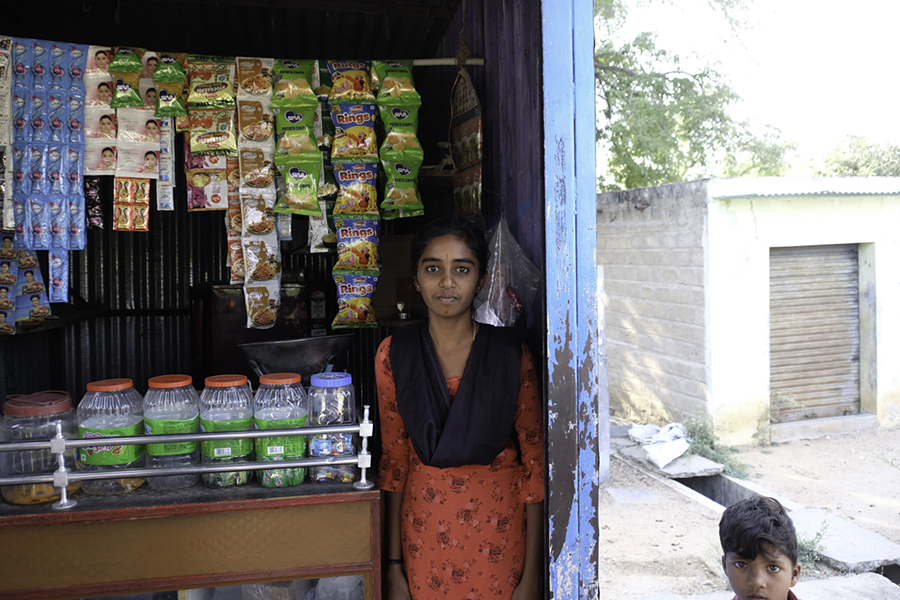
Pavagada Ultra Mega Solar Park covers thirteen thousand acres, or about twenty square miles—only slightly smaller than the area of Manhattan. And the way that the public-private partnership secured all that land was through a leasing model that’s being replicated elsewhere. Is it working? I met with peanut farmers and security guards, school teachers and solar farm officials, Dalit women who’ve lost access to the lands they once worked on, now covered with solar.

Teenager standing by her family's small shop.

by Meera Subramanian

Man leads his bullock cart laden with hay along road with large power pylons and solar beside it.

by Meera Subramanian

The massive project was up and running in under four years, but now—four years since then—village roads and schools and other promised development projects are still limping along.

Village man with turban walks on road that is being built, a frontloader with gravel and a cow in the background

by Meera Subramanian

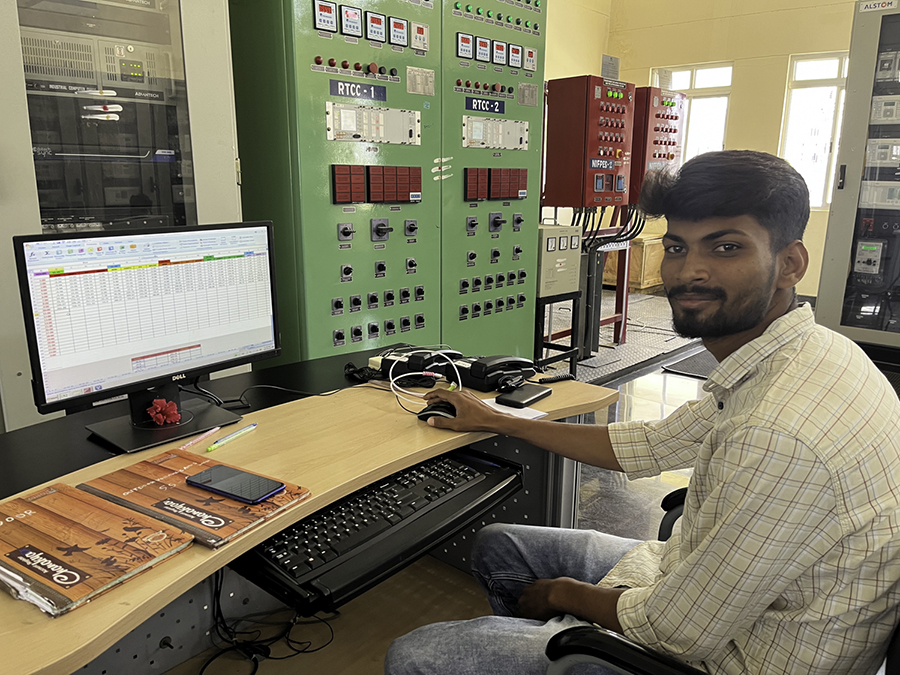
And yet, as I stood in a substation, I marveled at how clean this energy is. Is it possible to make these massive installations work for the locals who find them on their homegounds?

Engineer in Pavagada Solar Park substation, sitting by his computer adorned with a flower.

by Meera Subramanian

Thanks to the incredible editor at the New Yorker Daniel A. Gross, and the photographer @SupranavDash, whose photographs are featured in the piece. Huge appreciation to journalist Elizabeth Mani in Bengaluru for her translation and reporting assistance.

#India #solar #renewable #energy #climatechange #climatecrisis #climateemergency #renewableenergy #globalwarming #solarpanels #green #nature #solarpower #environment #cleanenergy  #climate #solarenergy#greenenergy #sustainability #design #earth #sun #environmentaljustice #justtransition #livelihood

Read the story here.

Filed Under: climate change, elemental india, journalism Tagged With: india, just transition, renewable energy, solar, The New Yorker

Follow Meera on Substack

for the very occasional bit of news.

Categories

Tags

Alaska anthology A River Runs Again Art awards birds birds of prey books book tour Cambridge cape cod climate change conservation death dissent Elemental India energy events Fulbright india InsideClimate News journalism kenya Knight Science Journalism Nature New York City organic farming Orion peregrine falcon pesticides photography politics pollution environment Princeton University radio readings religion reviews science Society of Environmental Journalists teaching travel USA vulture water

Archives by Month

Connect

  • Bluesky
  • Facebook
  • Instagram
  • LinkedIn

© 2026 Meera Subramanian. | All Rights Reserved. | Mastodon | Website design by Sumy Designs, LLC

Green_14