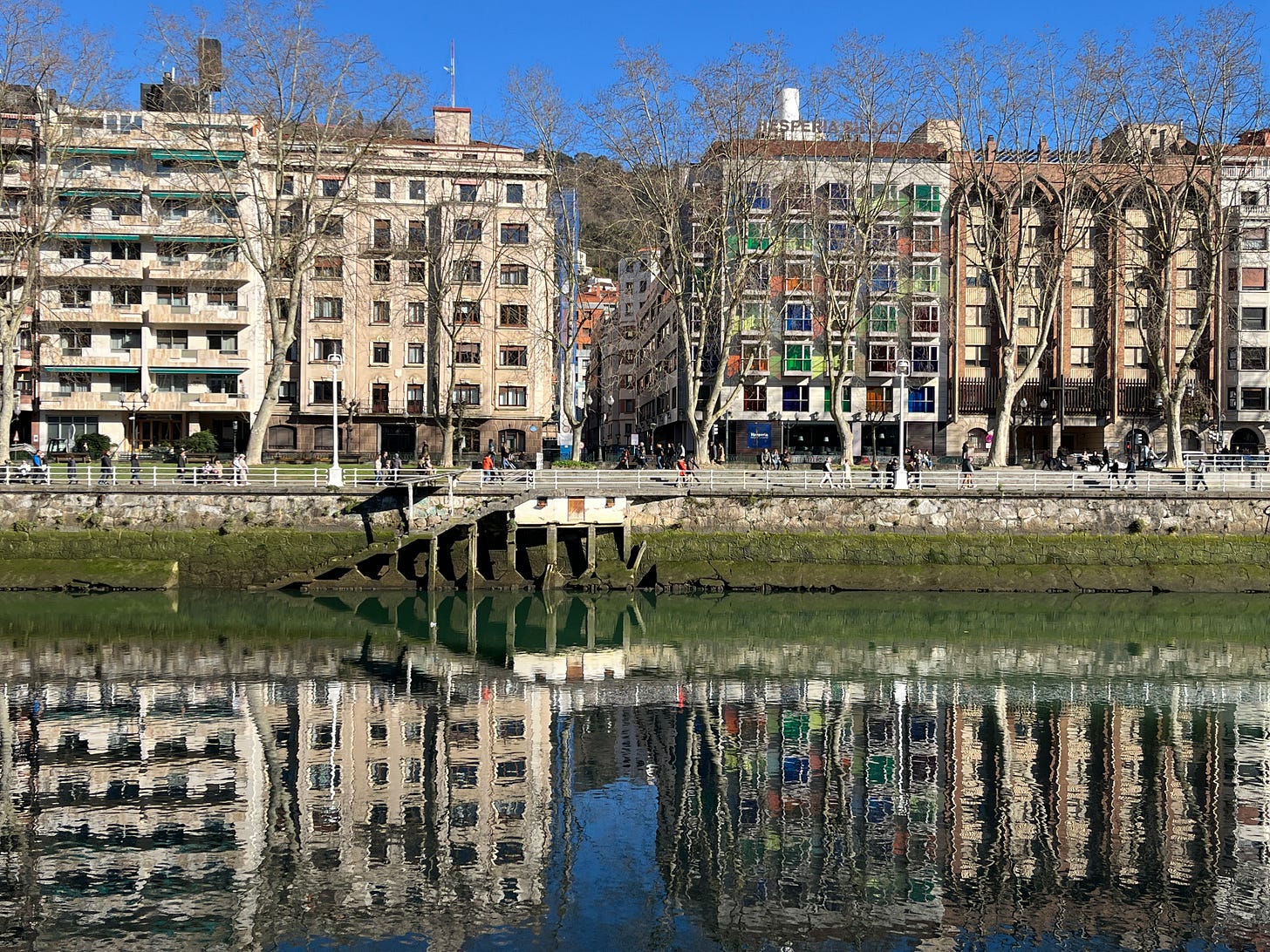
Last year, I spent three months on a FRONTIERS science journalism fellowship in Spain trying to understand if the clean energy transition could work better for biodiversity, people and place. I spent the first part of my time based at the Basque Center of Climate Change (BC3) in Bilbao, and the rest traveling to wind and solar farms around the country.
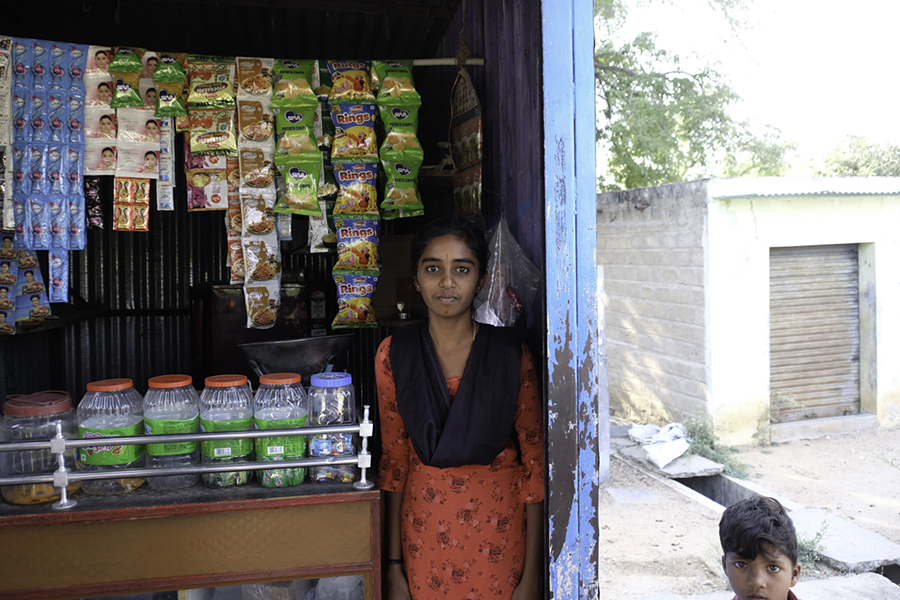
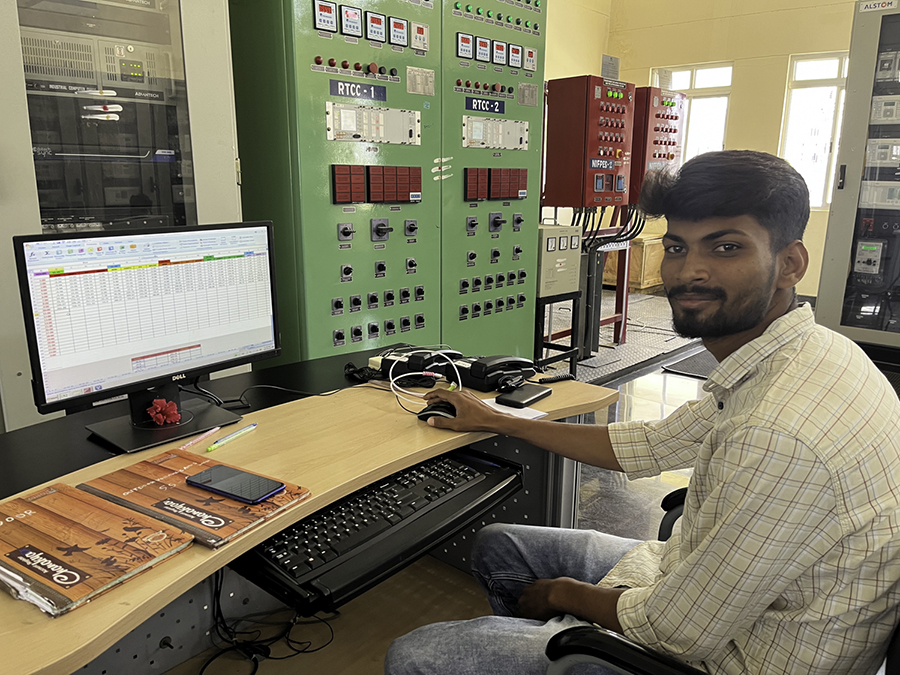
The question was becoming urgent. In 2023, the world’s annual renewable capacity increased by almost 50% to over 500 gigawatts. Current climate goals have that figure tripling by 2030. As a science journalist who has covered environmental issues for twenty years, I recognize both the need to quickly scale up renewables to meet the climate crisis and the risk of treating the clean energy transition as a technological problem alone. In order to succeed, mega renewable energy projects must address local concerns—ecological, cultural and economic—or risk public backlash that threatens to derail efforts. I realized this while standing with South Indian farmers who’d lost their land to a solar farm the size of Manhattan, reporting for a New Yorker feature. With global renewable energy buildout happening now, projects (and their impacts) will be in place for decades, so these controversial projects must get it right from the start. Turbines that don’t kill birds. Solar that doesn’t steal agricultural land and disproportionately hurt women. Power that is affordable. Is that possible?
The Atlantic just published my piece that emerged from that reporting and researching. It begins…
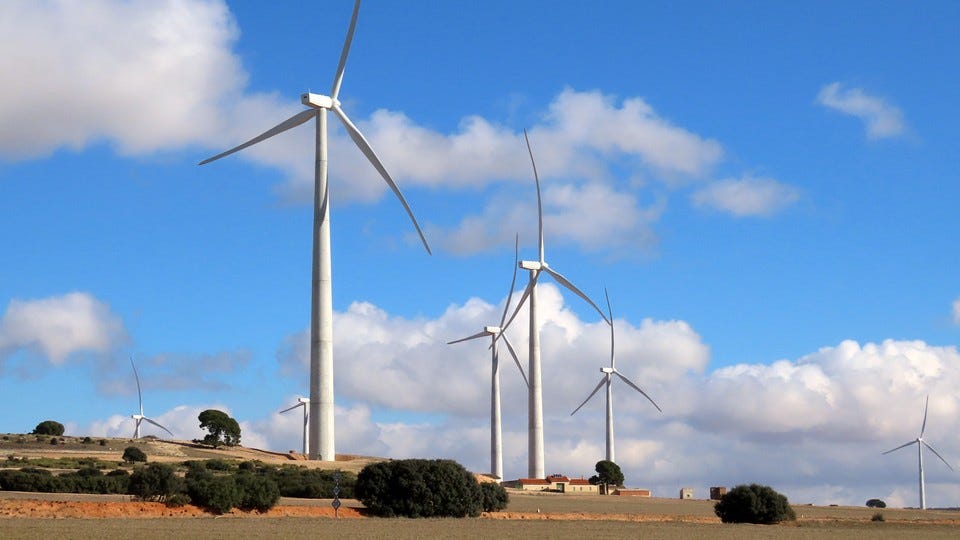
Go looking for wind farms in Spain, and you might quickly end up in Castilla–La Mancha, a region southeast of Madrid. This is the place where Don Quixote, Miquel de Cervantes’s delusional Man of La Mancha, attacked small wooden windmills he perceived as fierce giants and where today giant wind turbines have become an embedded part of the landscape.
There, I met Mayor Isabel Martínez Arnedo, who has run the town of Higueruela since 2019. The region’s distinctive wind whipped her dark curls as she stepped out of her car. “Look!” she said in Spanish. “Windmills, windmills, windmills.”
I hope to share some more stories from my time in Spain here when time allows. Which isn’t now, but hopefully someday. But I did sit down upon a Moorish ruin on a ridge lined with wind turbines that I write about in the Atlantic piece, in the town of Higueruela, at the end of all that exploration. Here’s a video I recorded of me thinking through what I had experienced. Sorry for the whistling of the audio, and the wild hair, but well, wind. (whooosh!)
And for the science journalists out there, applications for the fourth round of the FRONTIERS Science Journalism Residency Programme are now being accepted. All levels of experience can apply.
A Better World Book Tour
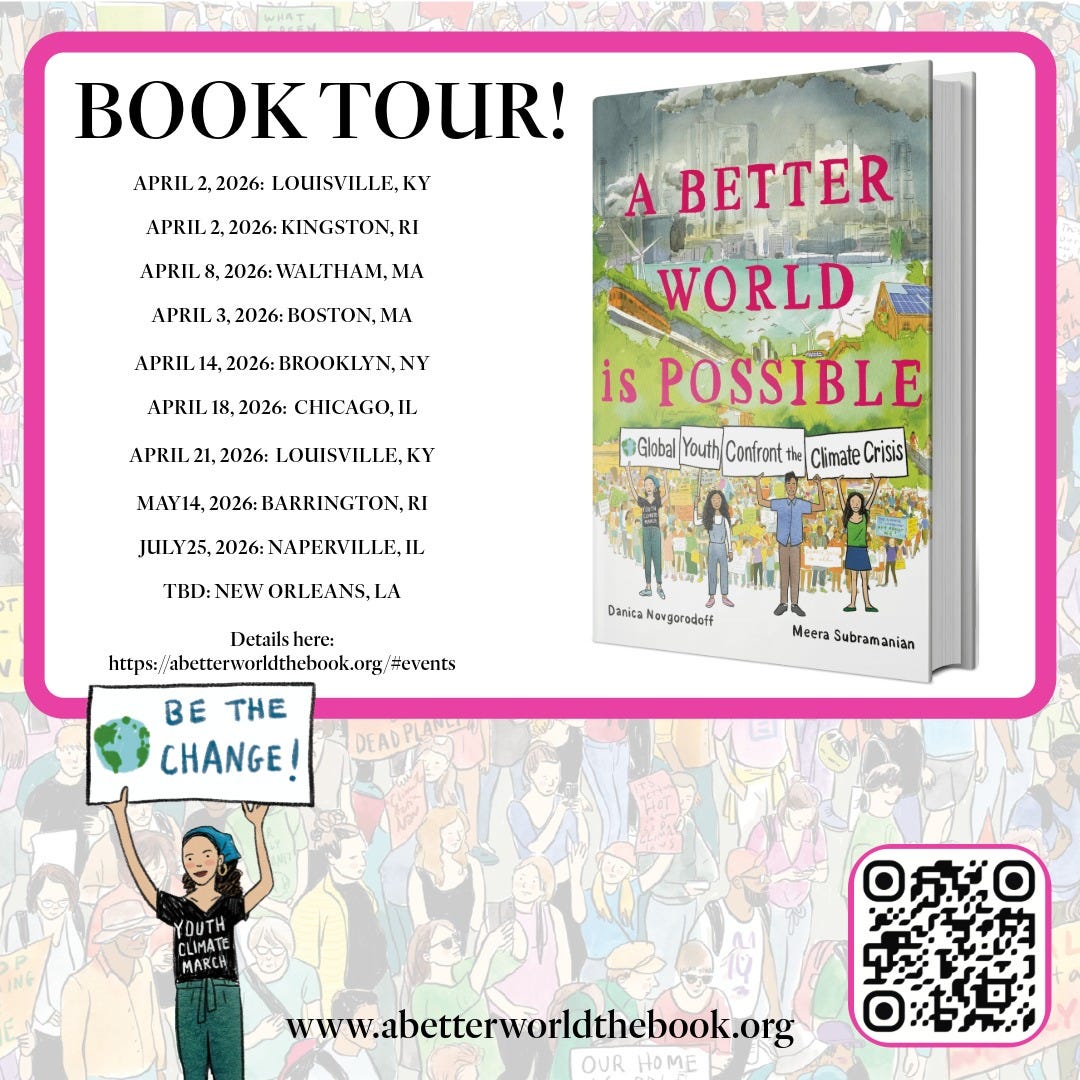
- Danica and I have kicked off our book tour for our new graphic novel, A Better World Is Possible: Global Youth Confront the Climate Crisis. Mostly, sadly, we’re doing separate events, but we’ll be together, along with two of the youth featured in the book at an all-ages book event April 14 at 6:30pm at Greenlight Bookstore in Brooklyn, NY. This event is sure to be popular, so be sure to save your spot here. You can also buy the book here and pick it up at the event.
- Head to the website to see all the details about these other upcoming events:

How you can help!
- If you’ve ordered a copy of A Better World Is Possible, first, THANK YOU. We hope you are enjoying it. Both Danica and I are hearing so many good things from people and reviewers. Here are ways you can help us get the word out:
- Share kind words on Goodreads. Or on Amazon. Or wherever you can leave a review. Those stars are super helpful.
- Take a picture of yourself with the book and tag us or invite the book & me to collaborate on the post! Here are our socials:
- Meera Facebook: https://www.facebook.com/meerasub/
- ABWIP Facebook: https://www.facebook.com/ABetterWorldTheBook/
- Meera Instagram: @meerasub
- ABWIP Instagram: @abetterworldthebook
- Meera Bluesky: @meerasub.bsky.social
- ABWIP Bluesky: @abetterworldbook.bsky.social
- Meera LinkedIn: https://www.linkedin.com/in/journomeerasub/
- ABWIP LinkedIn: https://www.linkedin.com/company/abetterworldthebook/
- Follow us on any of those sites!
- Also tag us if you want to share images that show how the world could be a better place if there were more of X.
- Ask your local library to buy a copy.
- Comment or DM me. I’d love to hear how you’re responding to the book. 🙂
More press:
- Graphic Policy has a long positive review on YouTube with one spectacularly placed f-bomb. 🙂 He recognized what a good resource it could be for his kid but also admitted he learned a lot, too. This book was written with a YA audience in mind, but now that it’s out there, we keep hearing how not only teens are loving it, but parents can read it to their five-year-old…and learn something themselves. It’s an all-ages book.
- I’m a member of the great organization, the National Association of Science Writers. Here’s a piece I wrote for their Advance Copy column explaining some of the craft process of collaboration.
- And here’s another guest post in the School Library Journal Teen Library Toolbox Not Just Greta: True stories of youth acting to fight the climate crisis
- Danica and I had a great conversation with Uma Krishnaswami for Writing with a Broken Tusk (all you Ganesha fans out there will get the reference).
Coda…

Photographer drove to Death Valley to capture exquisite images of a superbloom in Death Valley. If you are hungry for color and an riot of life and flower sex, check out more of his images here.
Keep blooming, everyone.